


Trying to make sense of Madagascar tour options can feel as tangled as the island’s rainforest. RN7 road adventures, lemur safaris, Tsingy and baobab trips, Nosy Be beach escapes and complex multi-region itineraries all compete for your time and budget. This guide unpacks the main types of organized Madagascar trips, what they typically include, who they suit best, and when paying for an organized tour really is worth it compared with hiring a driver and arranging everything yourself.
How Madagascar Tours Usually Work
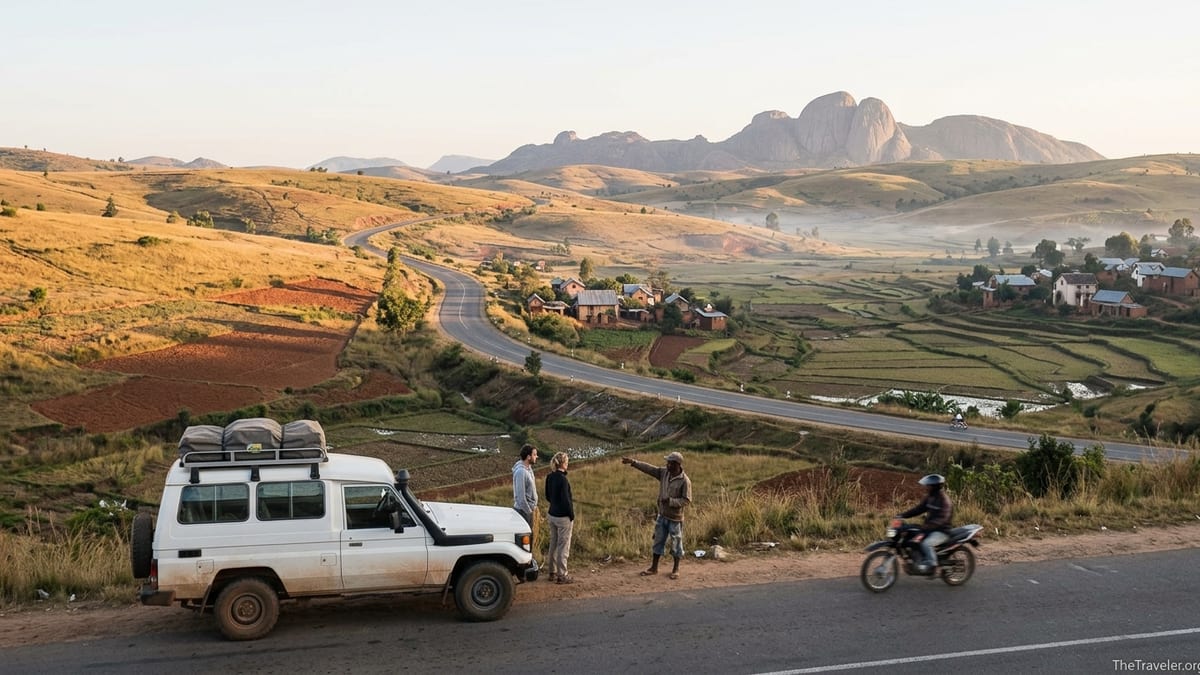
Most organized tours in Madagascar, whether classic RN7 circuits or northern island-hopping journeys, are built around a private 4x4 vehicle with driver and a series of local park guides at each reserve. The driver normally stays with you for the whole land portion of the trip, while guides rotate from park to park in places such as Andasibe-Mantadia, Ranomafana or Isalo. Accommodation ranges from simple local hotels to mid-range lodges and a few boutique properties in hotspots like Nosy Be or the Avenue of the Baobabs region.
Tour inclusions are fairly standard. A typical 10 to 14 day itinerary that combines the RN7 with a domestic flight back to Antananarivo usually includes private 4x4 transport with driver, fuel, mid-range hotels with breakfast, airport transfers, and the services of local guides inside the national parks. Park entrance fees and most activities in the parks are often included, while lunches and dinners can be either included or paid locally depending on the operator and price level.
Domestic flights and boat transfers are key cost drivers. For example, a one-way Antananarivo to Toliara flight used to avoid two extra long days driving back on the RN7 can add a few hundred euros per person. Similarly, reaching Tsingy de Bemaraha from Morondava requires either a multi-day 4x4 journey with river ferry crossings or a charter flight, which is why Tsingy and baobab trips tend to be noticeably more expensive per day than a straightforward RN7 circuit.
Compared with many African safari destinations, Madagascar still has relatively modest visitor numbers and limited infrastructure. Roads are slow, delays are common, and English is not widely spoken outside tourist hubs. These realities are central to deciding whether you are comfortable piecing things together with an independent driver, or whether the predictability and backup of an organized tour is worth the premium.
RN7 Circuits: The Classic Madagascar Road Trip
The RN7 is Madagascar’s iconic highway running south from Antananarivo to Toliara on the southwest coast. A classic RN7 tour of about 12 to 14 days typically stops at Antsirabe, Ranomafana National Park, the highland town of Fianarantsoa, Anja Community Reserve for ring-tailed lemurs, and Isalo National Park, sometimes finishing with a lagoon stay near Ifaty or Anakao. Many travelers then fly back to Antananarivo from Toliara to avoid retracing the road north.
Organized RN7 circuits usually bundle a private 4x4, driver, fuel, accommodations, and local park guides. A mid-range private RN7 itinerary can start from roughly 150 to 250 euros per person per day depending on group size, hotel category and how many meals are included. Shared small-group RN7 tours, often with 8 to 12 travelers, can reduce that cost significantly, though dates and itineraries are fixed and you forfeit flexibility.
An advantage of booking with a specialized RN7 operator is that they have updated knowledge of road conditions, bridge works and seasonal closures. In heavy rainy seasons, landslides can slow sections of the road, and knowing realistic driving times between points such as Antsirabe and Ranomafana makes a big difference to comfort. Good operators will also time park visits for quieter hours and help secure reputable local guides at busy sites like Ranomafana, where there can be competition for the best wildlife spotters in peak months.
Independent travelers sometimes hire a driver directly in Antananarivo for the RN7 and arrange their own hotels. This can be cheaper, particularly for three or four people sharing, but you must double-check that quoted prices include fuel, driver accommodation and meals, and that the vehicle is suitable for long distances. In practice, the gap between a well-organized private RN7 tour and a self-assembled version can narrow, especially if you add the hidden costs of time spent troubleshooting logistics and the driver’s empty return journey if you end the trip in Toliara.
Lemur and Wildlife Tours: Andasibe, Ranomafana and Beyond
Dedicated wildlife itineraries focus on a cluster of key parks rather than racing around the island. A popular short wildlife trip might combine Andasibe-Mantadia National Park east of Antananarivo with a visit to a reptile reserve en route, and perhaps an extra day in nearby community-managed forests. Longer specialist tours often link Andasibe with Ranomafana and sometimes lesser-visited reserves to look for additional lemur species or night-active mammals.
On these tours, the quality of local guiding is crucial. At Andasibe and Ranomafana, park guides know which trails give the best chance of hearing and spotting the indri’s haunting calls, or finding bamboo lemurs and chameleons. Organized wildlife tours usually include multiple guided walks per day, both day and night, and sometimes add private reserves or community forests that are not obvious to casual visitors. Because wildlife sightings can be unpredictable, having a flexible guide and driver who can adjust times and locations is a major asset.
Wildlife-focused tours tend to suit travelers who care more about time on foot in forests than ticking off many different regions. Birders, photographers and primate enthusiasts often book tailor-made or small-group wildlife trips with specialist operators who know how to maximize opportunities in each park. Costs vary depending on how many parks are included and how remote they are, but multi-park wildlife tours are usually priced similarly per day to RN7 circuits, with higher costs if charter flights or very remote parks come into play.
If you are on a tight budget and comfortable negotiating in French, you can technically reach some parks with a driver and then arrange local guides at each park gate. However, without pre-arranged logistics it is easier to lose time waiting for a suitable guide or transport, and for specialist interests such as rare lemurs or bird photography, a tailor-made or niche small-group tour tends to offer better value despite the higher headline price.
Tsingy, Avenue of the Baobabs and Western Adventures
Tsingy de Bemaraha and the Avenue of the Baobabs near Morondava form one of Madagascar’s most photogenic combinations, but they are also among the trickier regions to access. Getting from Morondava to the Tsingy area requires river crossings and long hours on rough tracks, which is why most travelers visit on an organized trip. Western circuits commonly begin and end in Morondava, with sunset at the Avenue of the Baobabs, a visit to Kirindy Forest for fossa and nocturnal species, and at least two nights near Tsingy de Bemaraha to explore both the smaller and larger Tsingy formations.
Because of the logistics, small-group or private 4x4 tours are the norm. Prices are typically higher per day than RN7 trips because of the challenging roads, park access requirements and the need for experienced drivers who know the river fords and local conditions. Boat-based options along nearby rivers exist in some seasons, but they still connect with 4x4 transport on either side. Flights between Antananarivo and Morondava operate only several times a week, so tour dates must be aligned with the flight schedule or plan for long overland days.
Inclusions on Tsingy and baobab trips usually extend to all specialized safety gear for the via ferrata-style circuits on the limestone pinnacles, as park regulations require guides and equipment. Travelers should confirm in advance what level of physical fitness is required for each route, and whether alternative, less exposed walks are available. A reputable operator will clearly explain the difference between easier circuits around the smaller Tsingy and more demanding routes among the highest pinnacles so that guests can choose accordingly.
For many visitors, the combination of difficult logistics, limited accommodation choice and the need for knowledgeable staff makes an organized Tsingy and baobab tour one of the clearest cases where a fully arranged package is worth the cost. Attempting to reach Tsingy independently with a random vehicle and no firm bookings can lead to delays, extra expenses at river crossings and even the risk of not securing park slots during busy periods.
Northern Madagascar Tours and Beach Extensions
Northern Madagascar is built for combinations of wildlife, coastal scenery and island time. Typical organized tours link the port city of Antsiranana, often called Diego Suarez, with national parks such as Amber Mountain and Ankarana, the striking Red Tsingy, and island stays around Nosy Be. An eight to eleven day circuit might start in Diego Suarez, visit the Emerald Sea and the Three Bays, move inland to Ankarana’s limestone formations and caves, then continue by road and boat to Nosy Be for several days of snorkeling or simply relaxing on the beach.
These northern itineraries usually rely on a private 4x4 and driver for the mainland sections, plus boats between ports like Ankify and Nosy Be. Many include full board, especially when distances between towns are long and restaurant options limited. Published examples show price points starting from a little over 2,000 euros per person for an 11 day private tour in the north with full board and permanent guide, with higher pricing for boutique lodges or added domestic flights.
Nosy Be island itself also hosts numerous shorter organized tours. Day trips by boat to Nosy Komba, Nosy Tanikely or Nosy Iranja are widely offered, and some operators package these into three to five day mini-tours including accommodation. Northern combinations can also be linked with the RN7 or Tsingy for longer trips of two to three weeks, but domestic flights and the risk of schedule changes mean this kind of complex itinerary is best handled by an experienced tour planner or a very organized independent traveler.
Beach extensions are popular at both ends of the island. On the southwest, Ifaty and Anakao are common add-ons after an RN7 trip. In the north, Nosy Be and nearby islands serve as a gentle ending to busy wildlife circuits. When comparing beach extensions, it is worth checking whether snorkeling gear, marine park fees and inter-island boat transfers are included, and whether the lodge or tour operator has contingency plans for bad weather that can disrupt boat schedules.
Private Tailor-Made Trips vs Small-Group Tours
Madagascar lends itself particularly well to private tailor-made itineraries because road conditions, domestic flights and even park access can vary from month to month. With a private trip you can adjust daily schedules to your energy levels, add unscheduled photo stops along the RN7 or the Baobab Avenue, or linger longer in a park if the wildlife viewing is exceptional. Families and photographers often find the flexibility of a private driver and bespoke route easily justifies the cost.
Small-group tours, usually with 6 to 12 travelers, tend to have set departure dates and fixed routes. These can offer solid value, especially for solo travelers who would otherwise shoulder the entire cost of a vehicle and driver. Group RN7 itineraries or north Madagascar circuits may bundle most meals, park fees and guiding into a single price, simplifying budgeting. The trade-off is less freedom to deviate from the schedule, fewer chances to customize hotel choices, and the need to match pace with fellow travelers.
Private tailor-made trips are also the norm for complex multi-region combinations such as RN7 plus Tsingy plus Nosy Be, or a loop that includes both eastern rainforest and western dry forest. Tour designers familiar with current flight schedules and road conditions can realistically assess whether your wish list is feasible in the days you have, and can build in buffer time around domestic flights that are known to change timetable or experience delays.
When comparing private vs group, ask to see a detailed daily breakdown. A slightly cheaper group quote can sometimes mean shorter time inside the parks, more hours on the road per day, or simpler lodges further from park entrances. A good private itinerary will usually specify realistic driving times, approximate departure and arrival hours, and exactly how many guided walks are included at each park.
How Many Regions Can You Combine in One Trip
The size of Madagascar and the state of its roads surprise many first-time visitors. Distances that appear modest on the map can translate into six to ten hours of driving. As a rough guideline, a two week trip suits either one major overland route such as the RN7 with perhaps a short side trip, or one route plus a single internal flight for a beach extension. Trying to fit the RN7, Tsingy and Nosy Be into 14 days, for example, will leave little margin for delays and can feel rushed.
In about three weeks, organized tours can realistically combine two or sometimes three distinct regions. A common pattern is RN7 plus a western Tsingy and baobab detour, or RN7 plus a northern Nosy Be segment using flights in between. Another option is to pair an eastern rainforest focus around Andasibe and other nearby reserves with a week in the north or on a beach island. Beyond three weeks, very ambitious loops become more viable, but domestic flight reliability and seasonality still argue for cautious planning.
Multi-region tours have higher per-person costs because you pay for long overland transfers, domestic flights and sometimes for the vehicle and driver to return empty after you fly onward. Some custom tour planners explicitly flag these hidden costs in their quotes so that travelers understand why a complex itinerary can cost noticeably more than a simple RN7 loop of similar length. Independent travelers often underestimate the time and budget required for these connections.
When an operator suggests trimming one region from your wish list, it is usually to protect the overall pacing of the trip. Spending an extra full day in a single park often yields richer experiences than sprinting through two in a row with limited time in either. Asking for their honest view on what is realistic in your timeframe, rather than pushing to include everywhere you have heard of, tends to result in more satisfying itineraries.
What to Check Carefully Before Paying a Deposit
Before committing to any Madagascar tour, request a detailed day-by-day itinerary that spells out driving times, included activities, and what is and is not covered. You should see clear notes on whether park entrance fees and local guide services are included, which meals are provided, and how many domestic flights or boat transfers are part of the price. For example, if an RN7 tour ends in Toliara, check whether the Antananarivo flight is included or if you need to book it separately.
Vehicle type and condition matter, especially for remote routes. Ask what model of 4x4 is used and whether it has air conditioning, seat belts for all passengers and basic recovery gear. For Tsingy and some northern circuits, clarify if a backup vehicle is available in high season or what the plan is in case of breakdown. Reputable operators will also be transparent about seasonal risks such as heavy rain affecting road access or certain parks being harder to reach between January and March.
Payment terms deserve close attention. Many local agencies ask for a deposit to secure hotels and domestic flights, with the balance due before or on arrival. Clarify refund policies if a domestic flight changes schedule, if unsafe road conditions force a reroute, or if your international flights are disrupted. Because Madagascar is a developing destination, response times can be slower and banking can involve extra fees, so allow extra time for international transfers and keep screenshots or confirmations of all payments.
Finally, consider communication and support. Check what language your main contact and on-the-ground guide speak, how you will stay in touch during the trip, and whether the agency provides assistance outside office hours if travel plans shift. A quick video call or detailed email exchange before booking often reveals whether the company understands your priorities and is used to working with travelers from your region.
When an Organized Tour Is Worth the Extra Cost
On paper, hiring a driver independently can look cheaper than booking a full tour. In reality, the equation depends on your route, travel style and tolerance for uncertainty. For straightforward RN7 trips outside the heaviest rainy months, confident travelers who speak some French, have time to research accommodations, and are comfortable finding and negotiating with local guides in each park can often organize a rewarding trip with a good driver and save some money, especially if sharing costs among three or four people.
Organized tours tend to be especially worth the premium in three situations. First, for logistically complex areas such as Tsingy de Bemaraha, western river routes or multi-park northern circuits, where route knowledge and the ability to adjust quickly to changing conditions are essential. Second, when your time is limited and you want to focus on experiences rather than logistics, such as a two week holiday from Europe or North America where a lost day due to miscommunication is a big proportion of your trip. Third, for specialist interests like photography, birding or night walks where having a guide who understands your priorities can transform the experience.
It is also worth considering your appetite for risk around domestic flights and weather. Tour operators and custom planners familiar with recent patterns know which flights are more prone to schedule changes and where to build in buffer days. If you are combining multiple flights, such as Antananarivo to Toliara followed by Diego Suarez to Nosy Be or back to the capital, their experience can significantly reduce the chance of cascading disruptions. The peace of mind that someone is tracking these moving parts on your behalf is a major, if intangible, part of what you pay for.
For many travelers, a hybrid approach works well. You might book a fully organized segment for a challenging region such as Tsingy or the far north, then handle an easier portion like the main RN7 or a simple beach stay with a driver and locally booked hotels. Being realistic about where organized help adds genuine value, and where you are comfortable being flexible and improvising, will help you strike the right balance between independence and support.
The Takeaway
Madagascar rewards travelers who plan carefully and travel slowly. RN7 circuits, lemur and wildlife tours, Tsingy and baobab adventures, northern circuits and beach extensions each offer very different rhythms and logistics, and no single itinerary can cover everything in one go. Organized tours are not just about comfort; they are often about making ambitious routes feasible and protecting limited vacation time from avoidable disruptions.
If you are dreaming of exploring Madagascar, begin by choosing one or two priority regions rather than a long wish list of names. Decide whether you value flexibility or predictability more, then look honestly at your language skills, experience in low-infrastructure destinations, and appetite for dealing with shifting schedules. Whether you opt for a bespoke private circuit, a good-value small-group trip or a carefully planned journey with an independent driver, grounded expectations and clear communication with whoever handles your logistics are the keys to experiencing Madagascar at its best.
FAQ
Q1. How far in advance should I book a Madagascar tour?
For popular seasons such as July to September or late October, booking three to six months ahead is sensible, especially if your itinerary includes Tsingy de Bemaraha or beach lodges around Nosy Be. Last minute trips are possible outside peak periods but you may have fewer choices of domestic flights and accommodation.
Q2. Is it safe to travel with a private driver in Madagascar?
Private drivers are the backbone of tourism in Madagascar and many have years of experience with visitors. Safety depends on the condition of the vehicle, the driver’s familiarity with the routes and your willingness to avoid night driving. Reputable agencies vet their drivers and schedule days to finish before dark whenever possible.
Q3. Can I visit the RN7 and Tsingy de Bemaraha in a two week holiday?
It is technically possible but usually quite rushed once you account for long driving days and at least two nights near Tsingy. Many travelers either focus on the RN7 alone in two weeks or add a short beach extension instead. Combining RN7, Tsingy and a northern beach area generally works better with closer to three weeks.
Q4. Do I need to book park guides in advance?
In most major parks such as Andasibe-Mantadia, Ranomafana, Isalo and Kirindy, local guides are arranged on arrival at the park office. Organized tours usually pre-plan which guides they will work with, while independent travelers pay guide and park fees directly on site. Only very specialist guiding, such as targeted birding, usually needs advance arrangement.
Q5. How much does a mid-range private tour cost per day?
Costs vary by route and season, but a ballpark range for a mid-range private tour with a 4x4, driver, fuel, comfortable lodges and most park fees is roughly 150 to 250 euros per person per day for two people sharing, with the per person rate dropping if more people share the vehicle.
Q6. Are small-group tours a good option for solo travelers?
Small-group tours work well for solo travelers who prefer company and want to avoid paying alone for a private vehicle and driver. Group departures on routes like the RN7 or northern circuits typically offer clear pricing, set dates and an escort guide, making budgeting and logistics simpler than arranging everything independently.
Q7. What is the best time of year to visit Madagascar on a tour?
The main touring season typically runs from about April to November, with cooler, drier conditions in the central highlands and better road access in many regions. The peak months for many itineraries are July to September, while some remote routes and parks are more challenging or occasionally inaccessible in the heaviest rains around January to March.
Q8. Can I pay for tours with credit card or do I need cash?
Larger international operators and some mid-range lodges accept card payments, but many local agencies and smaller hotels prefer bank transfers for deposits and cash or local payment methods for balances. Carrying a mix of cards and some euros or dollars to exchange on arrival is sensible, and allow for extra time and small fees when sending international transfers.
Q9. Is it possible to add diving or snorkeling to a wildlife tour?
Yes, many northern Madagascar itineraries around Nosy Be, or southern routes that include Ifaty or Anakao, naturally combine forest wildlife with time at the coast. Organized tours often bundle optional boat excursions, snorkeling or diving days, while independent travelers can arrange these locally through dive centers or lodges once they arrive.
Q10. What language is used by guides and drivers?
Malagasy is the national language and French is widely used in tourism. In major tourist areas many drivers and guides speak at least basic English, and some speak it fluently. If you rely on English only, choosing an operator that guarantees English-speaking staff in writing will make your trip much smoother.