


Ifaty and neighboring Mangily are where many travelers finally kick off their hiking boots after days on Madagascar’s legendary RN7. Just north of Toliara, this low-key stretch of coast offers a shallow turquoise lagoon, one of the Indian Ocean’s longest barrier reefs, eerie spiny forest and Vezo fishing villages where outrigger canoes still set the rhythm of the day. This guide focuses on how to actually plan a stay here: how long to book, where to base yourself, what needs a guide or boat, and why Ifaty works so well as a soft landing at the end of a southern road trip.
Why Ifaty and Mangily Work So Well After the RN7
By the time you roll into Toliara at the southern end of RN7, you have usually spent a week or more bouncing between Antsirabe’s highlands, Ranomafana’s rainforest and Isalo’s sandstone canyons. Toliara itself is a busy port city with little in the way of a swimmable beach, which is why most itineraries immediately continue 27 to 30 kilometers north to the lagoon between Ifaty and Mangily. Here the sea is usually calm, the air is dry and warm, and the pace slows enough for you to process everything you have just seen inland.
What makes this coast particularly suitable as a finale is its simplicity. Unlike more remote beach areas such as Salary or Andavadoaka, you do not need domestic flights or long boat transfers at the end of an already full journey. Once you are in Toliara you can be on the sand in under an hour by car, and almost all excursions are half-day or day trips that you can arrange directly with your guesthouse reception. This matters when you are travel tired and want easy choices rather than complex logistics.
Ifaty and Mangily also balance “do nothing” beach time with light activities that pair well with a tired body. You can spend one day snorkeling the reef, another walking among bottle-shaped baobabs in Reniala Reserve, and another simply watching Vezo pirogues glide across the lagoon at sunrise. For many travelers driving RN7 one way, three to four nights here is enough to finish on a peaceful note without adding another demanding chapter to the trip.
Understanding the Lagoon, Reef and Beach Conditions
The lagoon that fronts Ifaty and Mangily is protected by a barrier reef that runs for well over 200 kilometers along Madagascar’s southwest coast. Inside the reef the water is shallow and usually calm, with bands of turquoise and pale green that look almost unreal when seen from the beach. At low tide the sea retreats a long way, revealing seagrass and sand flats where local women collect shellfish. At high tide it comes close to the palm line again, especially around Mangily where the beach is narrower.
Beach conditions vary noticeably along this short stretch of coast. Mangily has the livelier central beach with most of the restaurants and small hotels set just back from a band of golden sand. The water entry here can be slightly rocky in places, and at very low tide it is often too shallow for proper swimming. A short walk north or south of the village the sand tends to be wider and quieter, and some lodges sit on more sheltered coves where swimming at mid to high tide is easier. Ifaty village itself is more spread out, with sand that can feel rough underfoot because of bits of coral and shell washed in from the reef.
Because this is a working coastline rather than a manicured resort strip, you should expect pirogues pulled up on the sand, nets drying in the sun and, at busy times, a fair number of beach vendors approaching sunbathers. Many visitors find this part of the charm, but it is worth knowing that Ifaty is not a postcard-perfect white-sand bubble. For a quieter feel, some travelers choose small lodges slightly removed from Mangily’s center where the beach is less trafficked and the night sky is very dark and star-filled.
Snorkeling and Diving on the Southwest Reef
The barrier reef off Ifaty and Mangily offers accessible, entry-level snorkeling and diving, though coral health can be patchy and conditions vary with weather and tides. Most people arrange their outings with local operators such as dive centers in Mangily or through their lodge. A typical snorkeling trip involves a short pirogue or motorboat ride of 15 to 30 minutes out to the reef, often leaving just after breakfast to catch calmer seas. Expect basic but serviceable equipment and local boat captains who know the channels well.
For snorkelers, the experience is more about gentle exploration than world-class coral gardens. You may drift over staghorn coral heads, see schools of small reef fish, and occasionally spot turtles or rays, particularly in clearer conditions between roughly April and December. Because currents can be strong at certain points on the reef, visiting independently is not recommended; you really do need a boat and local skipper who can position you on suitable sections and keep an eye on conditions while you are in the water.
Certified divers can arrange single or two-tank boat dives with small operators based in Mangily. Dive sites usually lie just beyond the reef, where visibility tends to be better and larger species sometimes appear. Conditions are generally suitable for Open Water level divers, with relaxed depths and modest currents on most sites. As with many parts of Madagascar, infrastructure is simple, so you should not expect the level of gear or boat size you might find in places like Mauritius or the Maldives. Many travelers treat a day of diving here as a pleasant bonus at the end of their RN7 trip rather than the sole reason for coming.
Reniala Reserve and the Spiny Forest Experience
Reniala Reserve, a community-managed patch of spiny forest located just inland from the beach near Mangily, is one of the easiest ways to see Madagascar’s strange southwestern flora without adding another long inland detour. The forest is filled with octopus trees, didierea, aloes and several species of baobab, some with bottle-shaped trunks that glow warm orange in the low light of early morning. Walking trails are flat and short, which is ideal if you have done more strenuous hikes in Isalo or Andringitra earlier on your trip.
Access to Reniala is by short transfer from your accommodation, often in a 4x4 or tuk-tuk arranged by your lodge or a local guide. You cannot explore the reserve independently; visits are accompanied by community guides who are required by the management association. The usual pattern is a 1.5 to 2-hour walk either just after sunrise or late in the afternoon when temperatures are milder and bird activity is higher. Keen birders often ask specifically about local specialties such as long-tailed ground-rollers or sub-desert mesites, which can sometimes be seen with a patient guide.
In practice, many RN7 travelers fit Reniala into a single morning or afternoon during a three or four-night stay. For example, you might arrive in Mangily on day one, rest and swim, then visit Reniala on day two at sunrise and spend the rest of the day on the beach. On day three you could snorkel or dive, and on day four relax or take a village walk before returning to Toliara. Because everything is close together, you rarely spend more than 15 to 20 minutes in a vehicle on any of these days.
Vezo Villages, Whale Watching and Seasonal Wildlife
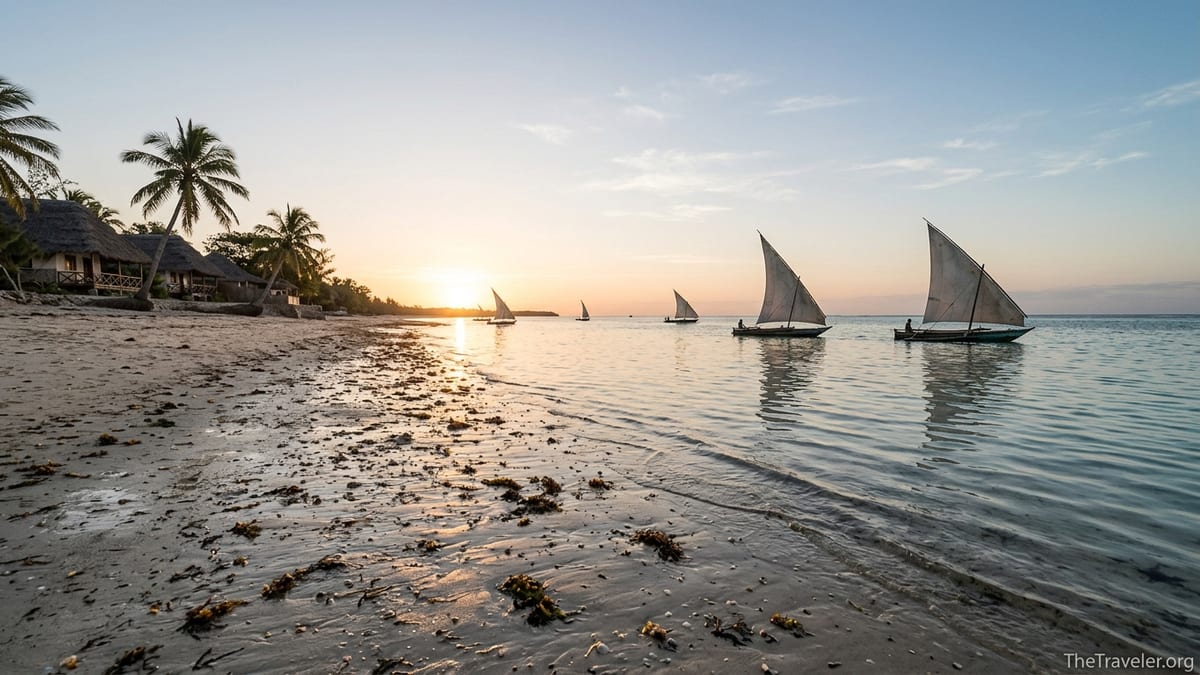
The coastline around Ifaty and Mangily is Vezo territory, home to a seafaring people whose livelihoods are closely tied to the lagoon and reef. At dawn, narrow outrigger canoes head out in lines towards the reef, sails patched from old rice sacks catching the first light. Many lodges can arrange simple, respectful village walks with a local guide who can translate, explaining the construction of the pirogues, the use of traditional fish traps and how families rotate fishing grounds to cope with changing conditions on the reef.
Humpback whales migrate past this coast roughly from mid June to late September, with tours most common in July and August when sightings are more frequent. Whale-watching trips are offered by some dive centers and independent operators based in Mangily, usually as half-day outings in small motorboats. Groups tend to be small, often just a handful of guests with a skipper and guide who explain whale behavior while scanning the horizon. Regulations typically keep boats at a respectful distance, which still allows dramatic views when a whale breaches or slaps its tail on the surface.
Outside the whale season, marine wildlife is more subtle: you might see dolphins riding the bow wave during transfers to the reef, or sea turtles surfacing in the lagoon on quieter mornings. Birdlife along the coast includes terns, herons and occasionally flamingos on nearby salt flats, especially after rain. As with most wildlife in Madagascar, sightings are never guaranteed, so it is wise to see these experiences as bonuses rather than entitlements at the end of your journey.
Where to Stay: Ifaty vs Mangily and Surroundings
Although “Ifaty” is often used as a catch-all label in guidebooks and itineraries, most beach accommodation actually clusters around Mangily, a few kilometers south, as well as along the sandy track that links the two villages. Mangily is the more compact, walkable hub, with a handful of bars, small restaurants, dive shops and budget-to-midrange guesthouses arranged parallel to the beach. This suits travelers who like to wander out in the evening to try a different seafood grill or have a drink near the sand.
North and south of Mangily the coast becomes quieter, with standalone lodges and small boutique hotels sitting slightly apart from the main village. These properties often appeal to couples finishing a busy RN7 itinerary who want more privacy, sunset views from their bungalow verandas and perhaps a small swimming pool. Ifaty village itself, further north, feels more spread out and less polished, with a stronger emphasis on local life. Some overland budget travelers enjoy staying here for its atmosphere, while others prefer the easier beach access and restaurant choice near Mangily.
Prices vary widely depending on location and comfort level. Simple beachfront bungalows with cold showers and basic furnishings might cost the equivalent of a budget guesthouse in Antananarivo, while midrange lodges with air conditioning, hot water and on-site activities are naturally higher. High-end options are fewer than in more developed beach areas elsewhere in the Indian Ocean, but a few small properties cater to travelers seeking more comfort at the end of a long road trip, often bundling in airport transfers and set dinners to simplify logistics.
Getting There from Toliara and Getting Around
Reaching Ifaty and Mangily from Toliara is straightforward by local standards. The main road north, part of the national network, is now largely paved for the first stretch, though short sections can still feel bumpy after heavy rain. Most RN7 travelers arrive with a private driver-guide who simply continues the journey from Isalo or Zombitse down to Toliara and then onwards to the coast. In that case, the final leg from central Toliara to Mangily typically takes 45 minutes to an hour, depending on traffic and road works.
Independent travelers arriving in Toliara by domestic flight or taxi-brousse can arrange onward transport in several ways. Many hotels and lodges in Ifaty and Mangily can pre-book private transfers, which are more expensive than local minibuses but faster and more reliable. Shared taxis and taxi-brousse services also shuttle between Toliara and the coast, though departure times are flexible and vehicles can be crowded. Once you are installed at the beach, most local movements are by foot, tuk-tuk or 4x4 arranged through your accommodation for specific outings such as Reniala or early-morning trips to the reef.
Because onward flights from Toliara to Antananarivo and other cities are not always punctual, many tour operators recommend finishing your RN7 with at least one spare night either in Toliara or at the beach before any international departure. A common pattern is to spend three nights in Ifaty or Mangily, then return to Toliara the day before your flight, allowing a buffer for any delays on the road or in the air. This approach keeps the end of your trip relaxed instead of rushed.
How Many Nights to Stay and What Needs a Guide
For most travelers finishing RN7, two to four nights in Ifaty or Mangily is a sensible range. Two nights works if your priority is simply to rest: arrive on day one, enjoy a lazy beach afternoon, then spend day two on a single activity such as snorkeling or Reniala before departing on day three. Three nights allows you to experience both the reef and the spiny forest without feeling you must choose. Four nights or more suits those who want a mix of work and rest or who are recovering from a more intense overland circuit that may have included side trips such as Andringitra or Tsaranoro.
In terms of independence, almost everything on land can be organized with only light support from your guesthouse. You can walk the beach on your own at any time, wander into Mangily to eat at small seafood restaurants and explore the village lanes in daylight without a fixed schedule. For Reniala Reserve, however, local guides are mandatory, and arranging a transfer on your own can be inconvenient, so most visitors simply book the visit through their lodge. Night walks in or near the spiny forest, often focused on chameleons and nocturnal lemurs, should also always be done with a guide.
Anything involving the lagoon or reef requires a boat and, in practice, a guide or skipper. Even strong swimmers should not attempt to reach the reef directly from the beach, as currents and boat traffic can be hazardous. Snorkeling trips, diving, whale watching and any excursions farther along the coast are best arranged through established local operators who provide flotation devices, basic safety briefings and a clear plan for pick-up and drop-off. This does not mean the atmosphere is formal; on the contrary, most outings are relaxed and sociable, but you remain much safer with experienced locals at the helm.
The Takeaway
Ifaty and Mangily are not glossy resort beaches, and that is precisely why they pair so well with Madagascar’s RN7. After days of dramatic highland scenery and wildlife-rich national parks, this is a place to let the dust of the road settle while you look out over a broad, shallow lagoon defined by tides, wind and the daily movement of Vezo fishing boats. The reef and spiny forest add just enough structure to your days that you can keep exploring without undertaking another major journey.
Plan on at least two nights, and three or four if your schedule allows, so you can experience the reef, Reniala Reserve and simple village life at an easy pace. Arrange guided activities where they matter most, especially on the water and in the forest, and leave the rest of your time open for slow walks, long lunches and sunset watching. Treated as a gentle beach extension rather than a standalone destination, Ifaty and Mangily provide a fitting, quietly memorable finale to the classic southern road across Madagascar.
FAQ
Q1. How many nights should I spend in Ifaty or Mangily after an RN7 trip?
Most travelers find that two to four nights works well. Two nights allow a quick rest and one main activity, while three or four nights give time for snorkeling or diving, a visit to Reniala Reserve and a completely free day on the beach.
Q2. When is the best time of year to visit for good weather and sea conditions?
The drier, cooler months from roughly April to October usually bring more stable weather, less humidity and clearer sea conditions. Humpback whales are most often seen between about mid June and late September, which is a popular period for a combined RN7 and beach itinerary.
Q3. Do I need to book activities like snorkeling and whale watching in advance?
Outside the absolute peak of whale season, many visitors arrange activities on arrival through their lodge or local dive centers. In July and August, when more people visit and whale trips are in higher demand, it can be wise to confirm at least your preferred first outing a day or two ahead.
Q4. Can I swim directly off the beach, or is the water too shallow?
You can usually swim at mid to high tide on sections of beach near Mangily and some lodges between Mangily and Ifaty. At very low tide the lagoon becomes shallow and seagrassy, so swimming is limited. For clearer water and coral, you will need a boat to the outer parts of the lagoon or the reef.
Q5. Is Ifaty suitable for children and families at the end of an RN7 road trip?
The shallow lagoon and short distances make this area appealing for families, especially with school-age children who enjoy beach play and gentle boat rides. Parents should keep a close eye on kids because of tidal changes, occasional currents and boat traffic near the shore.
Q6. Do I need a guide to visit Reniala Reserve and the spiny forest?
Yes. Reniala is managed as a community reserve where guided walks are standard and help support local livelihoods. Guides lead you along short trails, point out baobabs, spiny plants and birds, and ensure you do not get lost in the dense vegetation.
Q7. How do I get from Toliara to Ifaty or Mangily without a private driver?
You can pre-arrange a private transfer through your accommodation, take a shared taxi or use local taxi-brousse services running between Toliara and the coast. Private transfers cost more but are faster and more comfortable, which many travelers appreciate at the end of a long journey.
Q8. What kind of budget should I expect for accommodation in the area?
There are simple beachfront bungalows at budget-friendly prices, midrange lodges with more comfort and a few higher-end options. Overall, costs are generally lower than in major resort destinations elsewhere in the Indian Ocean, but sea-view rooms and hotels with pools command higher rates.
Q9. Is Ifaty a good base for serious diving, or should I choose another destination?
Ifaty and Mangily offer enjoyable, relaxed diving suited to beginners and casual divers, but the coral is not pristine everywhere and infrastructure is basic. Dedicated divers who want multiple high-intensity days underwater might prefer to treat Ifaty as a bonus stop and focus serious dive time on other Malagasy or regional sites.
Q10. How does Ifaty compare with other beach extensions such as Anakao or Salary?
Ifaty and Mangily are easier to reach from Toliara and involve shorter transfers, which matters at the end of an RN7 trip. Anakao and Salary often feel wilder and less developed, with longer boat or road journeys. Travelers who value simplicity and short travel days tend to prefer Ifaty, while those seeking remoter beaches sometimes look beyond it.